




How One Event Is Making Sustainability Real - Lessons from the PGA Show


As we approach International Day of Zero Waste, celebrated on March 30th, the PGA Show story offers something more valuable than a polished success story. It demonstrates what happens when sustainability is put into practice in a live event environment: tested, challenged, and improved in real time.
What does real progress on sustainability look like?
At the PGA Show - the largest annual business event for the global golf industry and part of RX - perfection was never in the cards and that’s exactly the point.
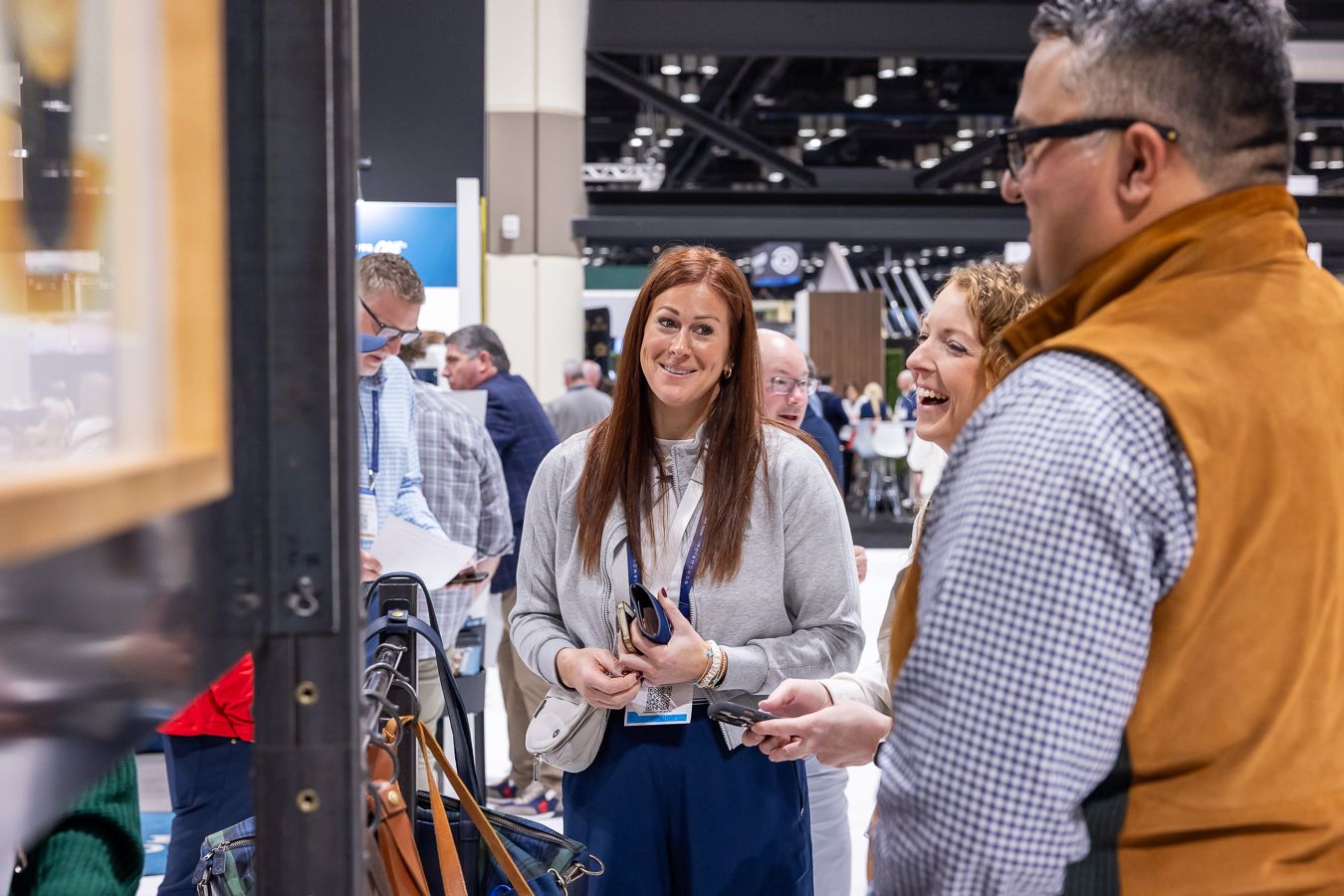
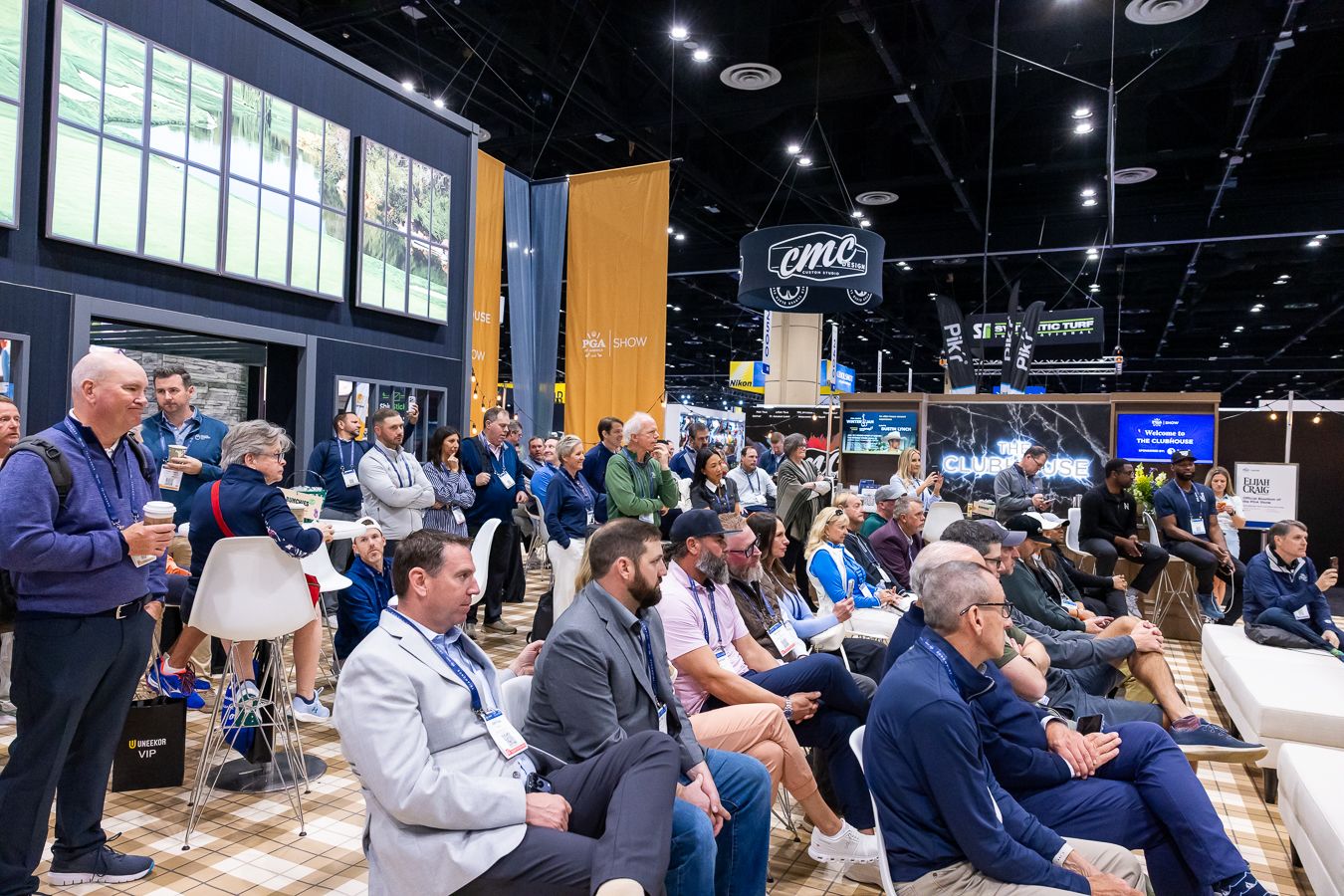
Walk the floor and the intent is clear.
Sustainability is no longer a buzzword—it’s operational. Through a team of waste diversion ambassadors, the event makes waste reduction visible and actionable, engaging exhibitors, partners, and attendees directly. In partnership with O-Town Compost, five diversion stations help attendees sort waste into landfill, recycling, and compost streams—with ambassadors on hand to guide behaviour and improve outcomes. It’s a shift from theory to practice, where sustainability becomes part of how the event runs.
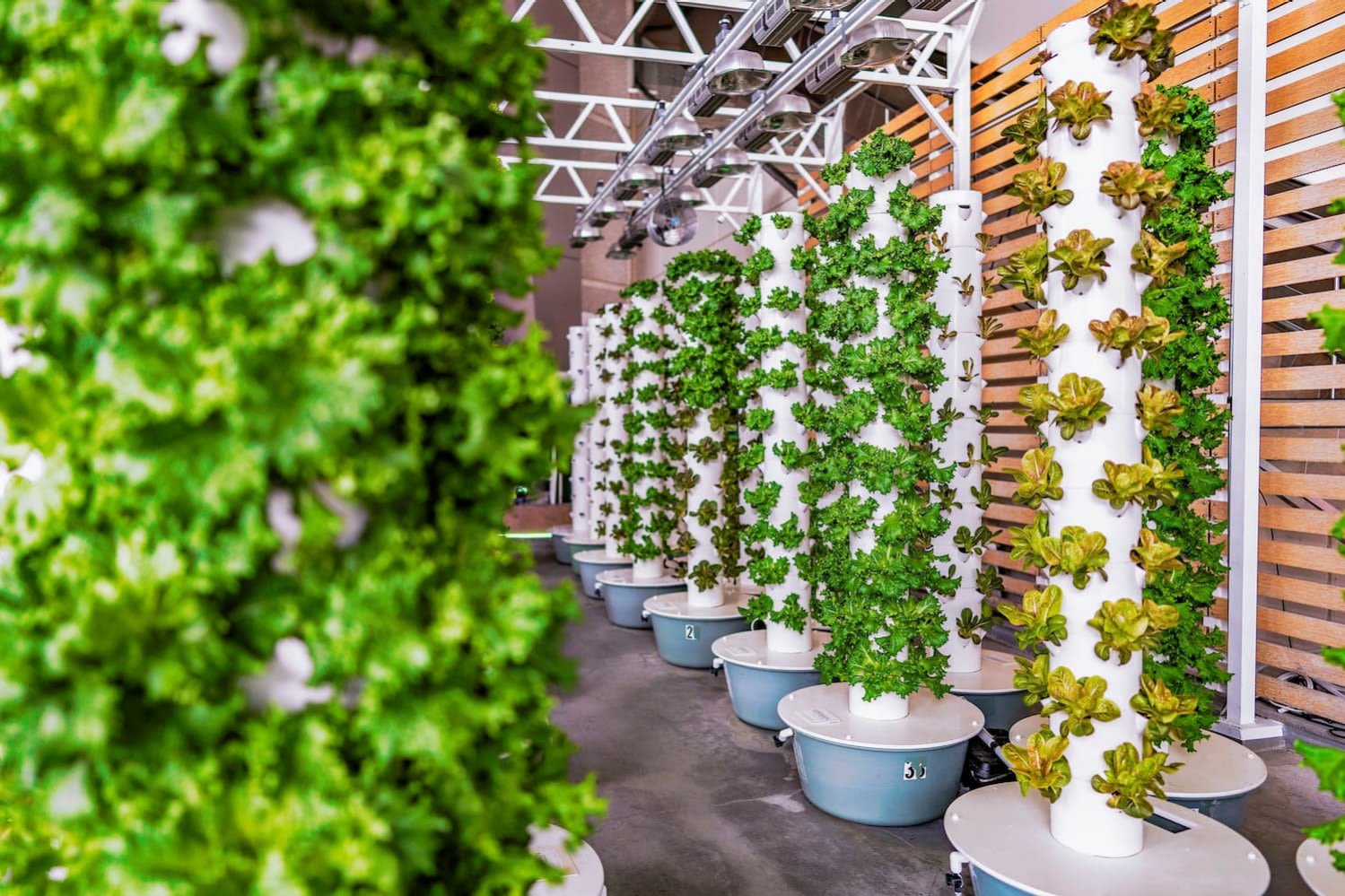
In particular, food waste efforts are showing measurable progress. Through a structured food donation programme, Sodexo provided surplus food to local charities, while any non-donatable food was composted—ensuring nothing went to waste. Alongside this, a more circular approach to food and beverage, including the use of venue-grown produce, is helping to reshape how resources are managed onsite.

There’s also a strong commercial signal. Sustainability here isn’t disconnected from performance—it’s contributing to it. The PGA Show has already delivered supplier cost savings, reinforcing that more sustainable choices can also be more efficient ones.
Behind the scenes, O-Town Compost managed waste in a central hub, ensuring that compostable materials—including coffee grounds—were properly diverted. Used cooking oil was also recycled into biodiesel in partnership with Brownies Septic & Plumbing, extending the lifecycle of materials that would otherwise be discarded.
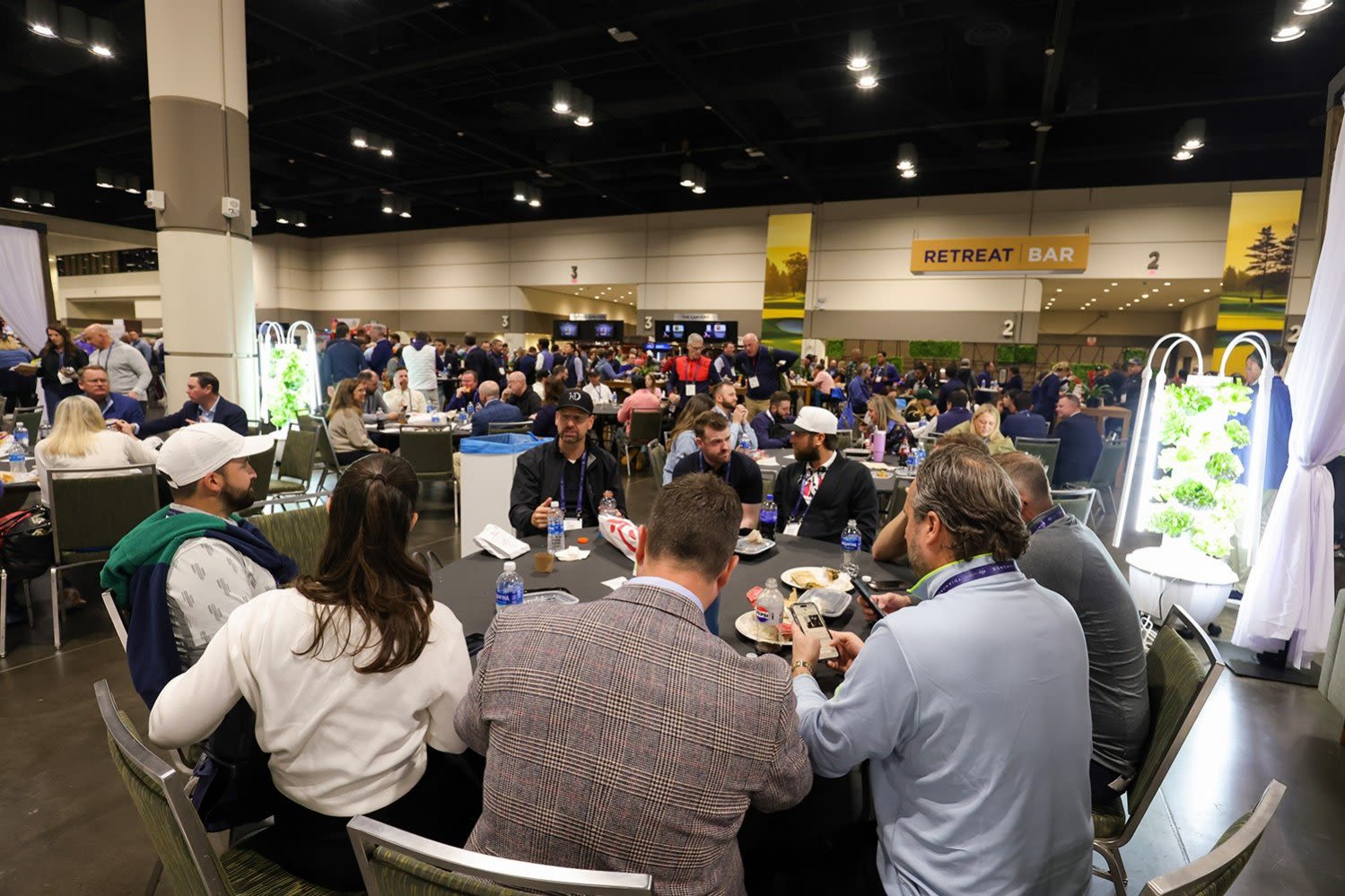
This is where the PGA Show stands out: not by claiming perfection, but by turning sustainability into visible, practical, and measurable action. While significant progress has been made in reducing food waste, the event continues to refine its broader waste management practices—showing that sustainability is a journey, not a destination.


A few lessons are starting to emerge:


1. Make sustainability visible to make it stick
Waste diversion ambassadors and clearly designed systems help turn intention into action on the ground.
2. Focus on what works
Targeted initiatives like food recovery, composting, and circular food and beverage are delivering clearer, measurable results.
3. Show how sustainability drives performance
Cost savings and operational efficiencies demonstrate that better environmental choices can also improve outcomes.
The PGA Show reflects the reality of where the industry is right now
Moving from ambition to execution. And that transition isn’t linear—it involves trial, error, and constant adjustment. From testing ideas in real environments, learning quickly, and scaling what proves effective.
Not everything has worked yet. But enough has, to show what’s possible. And that’s the opportunity..

..Start small. Lead the conversation early. Share what works. Then measure it - and keep improving.


Sustainability in events are not defined by perfect outcomes from day one, but by how quickly we learn what works, and how fast we build on it.


